A Week of Real Conservation: From Predators to Pangolins
There’s something special about a safari where you don’t just observe wildlife, you become part of its future. Our recent conservation safari began the moment the clients arrived. After a short rest, there was no time to waste. We headed straight into the field, joining the vet team to dart our first animal.
Re-collaring a Lioness
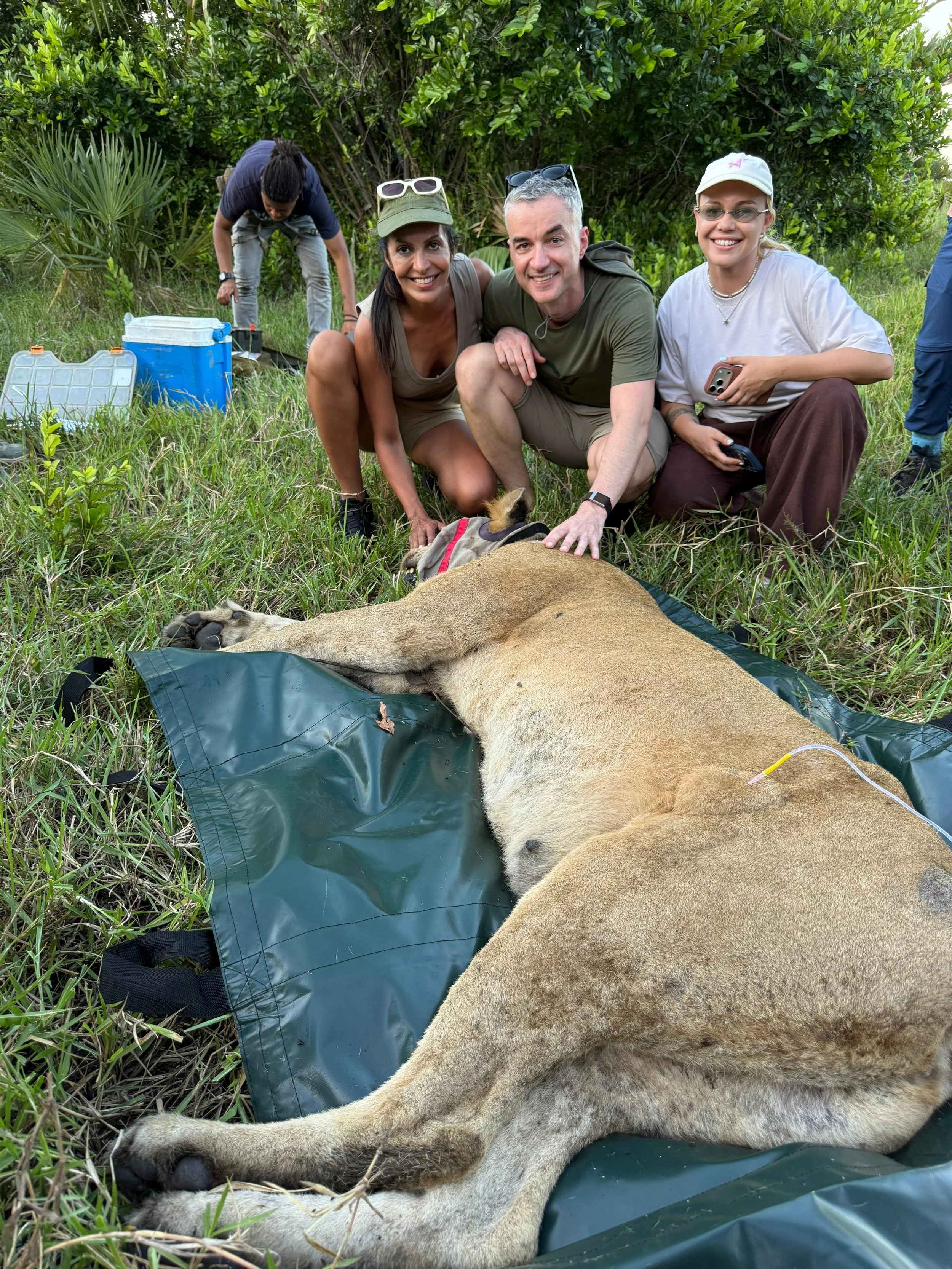
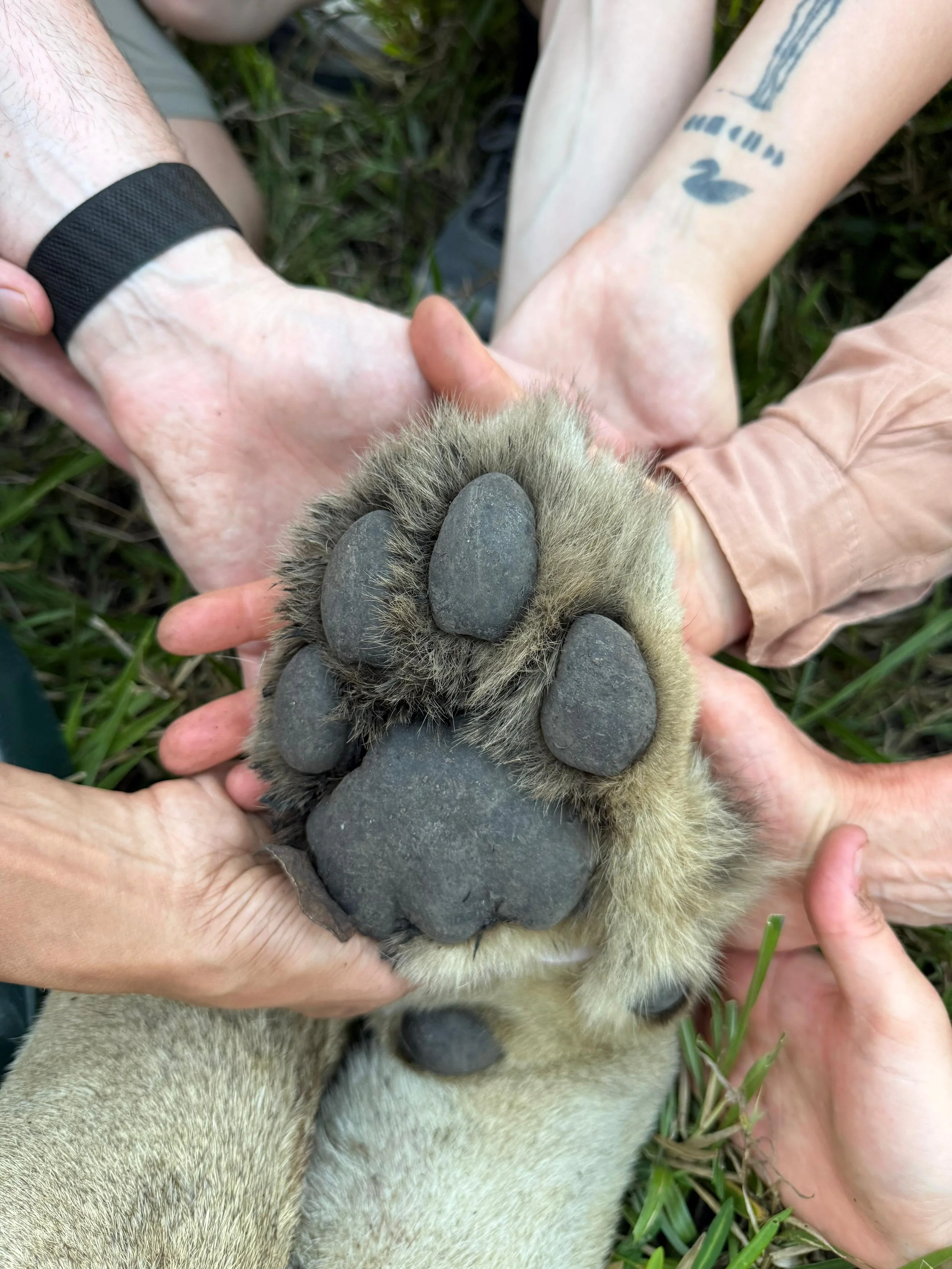
Our first mission was one of our original lionesses, a female currently raising her third litter of cubs. Her tracking collar had completely failed, making it critical to fit a new one. The vet team moved ahead while the clients followed close behind, experiencing every step of the process. The darting went smoothly, although she took a little time to go down. Moments like these remind us that every animal is different and patience is always part of the work. Successfully fitting her new collar ensures we can continue monitoring both her and her cubs, a small but vital piece in protecting the future of lions in this ecosystem.
Cheetah Conservation in Action
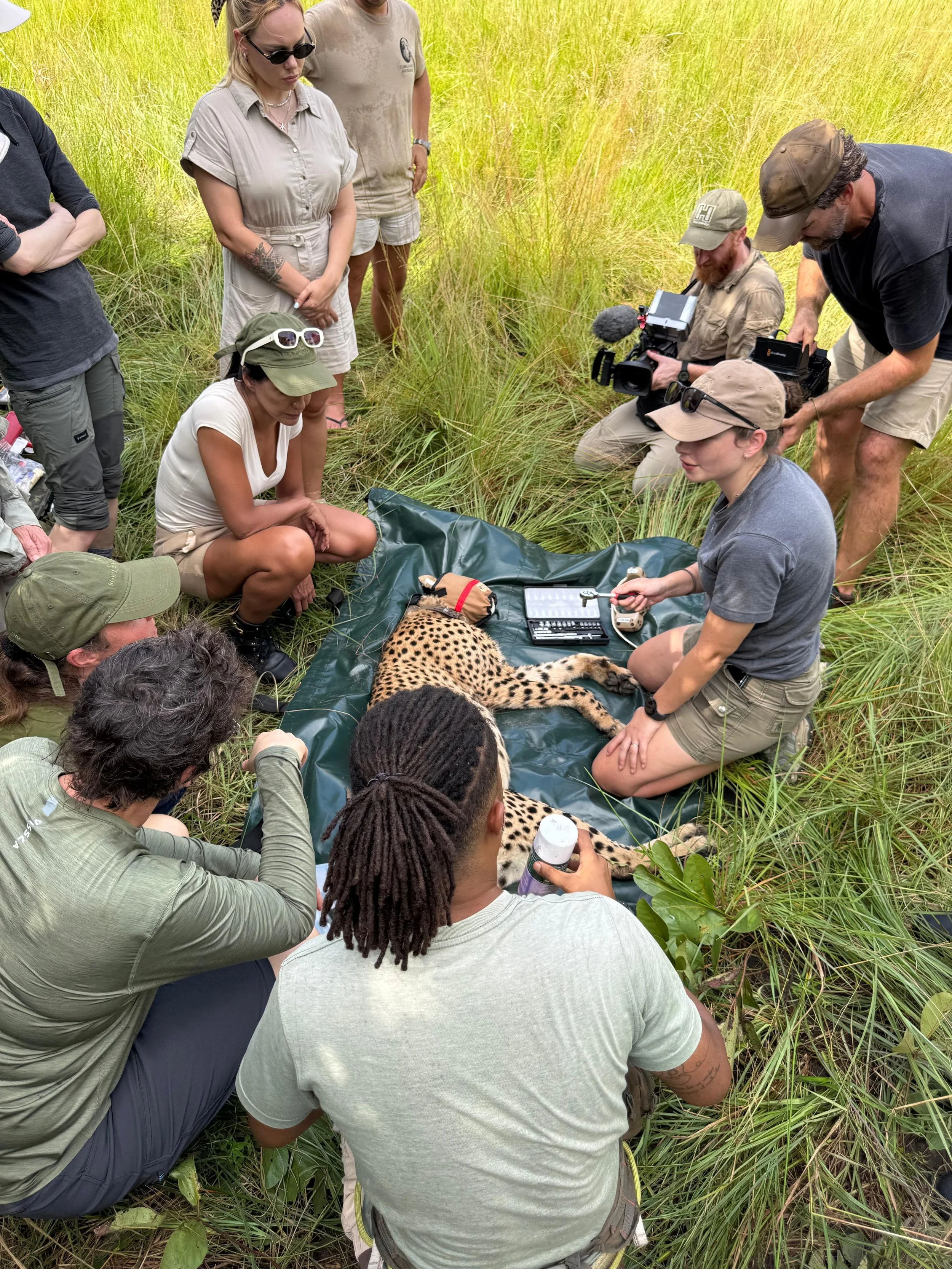
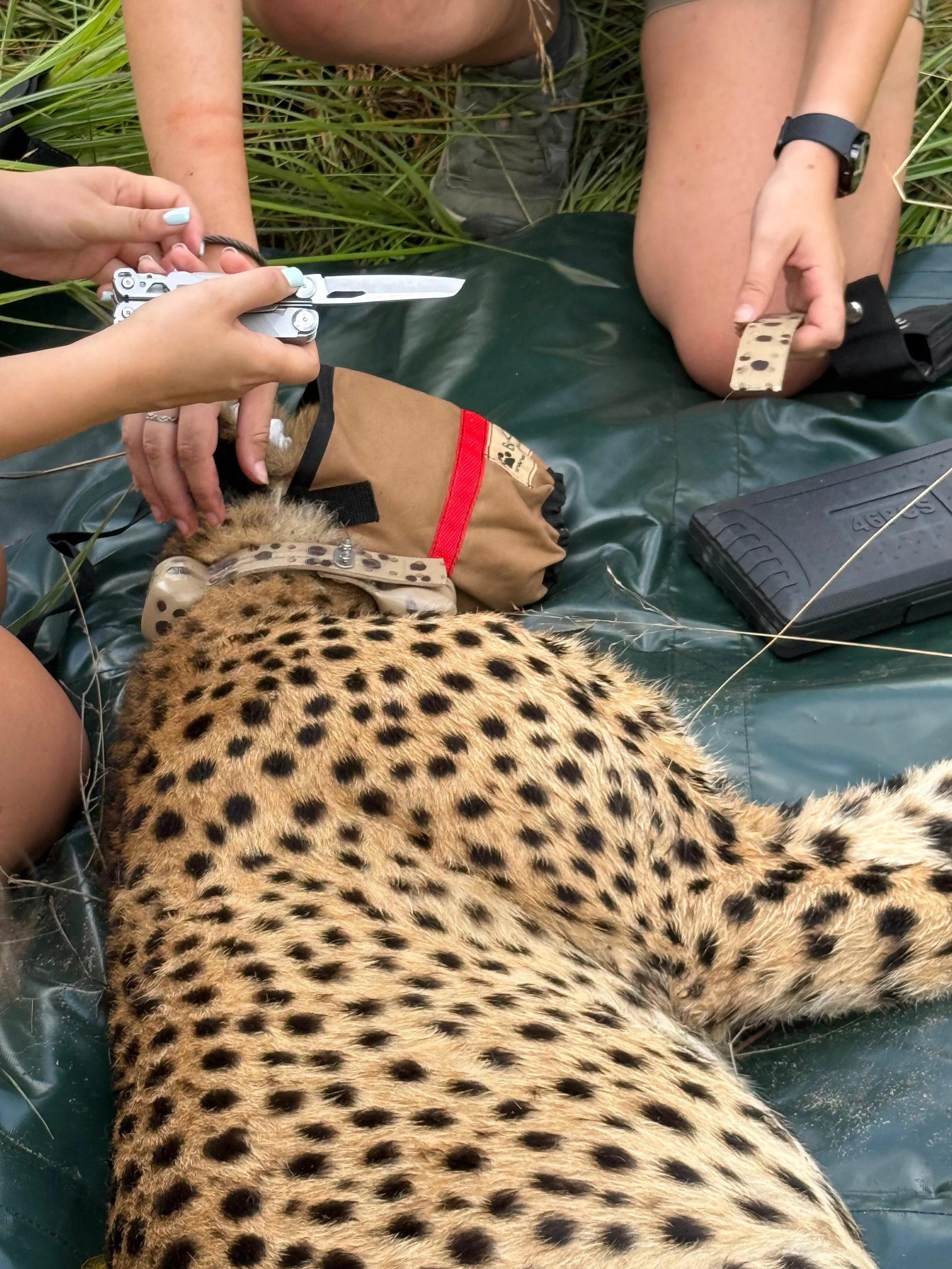
The following morning brought a different challenge, re-collaring one of our original cheetahs, a large female who had clearly enjoyed a recent meal. Like the lioness, she took her time to go down, but this gave the group a unique opportunity to observe the subtle differences between working with lions and cheetahs. Each species requires a different approach, and understanding these nuances is key to successful conservation work.
From Game Drives to Pangolins
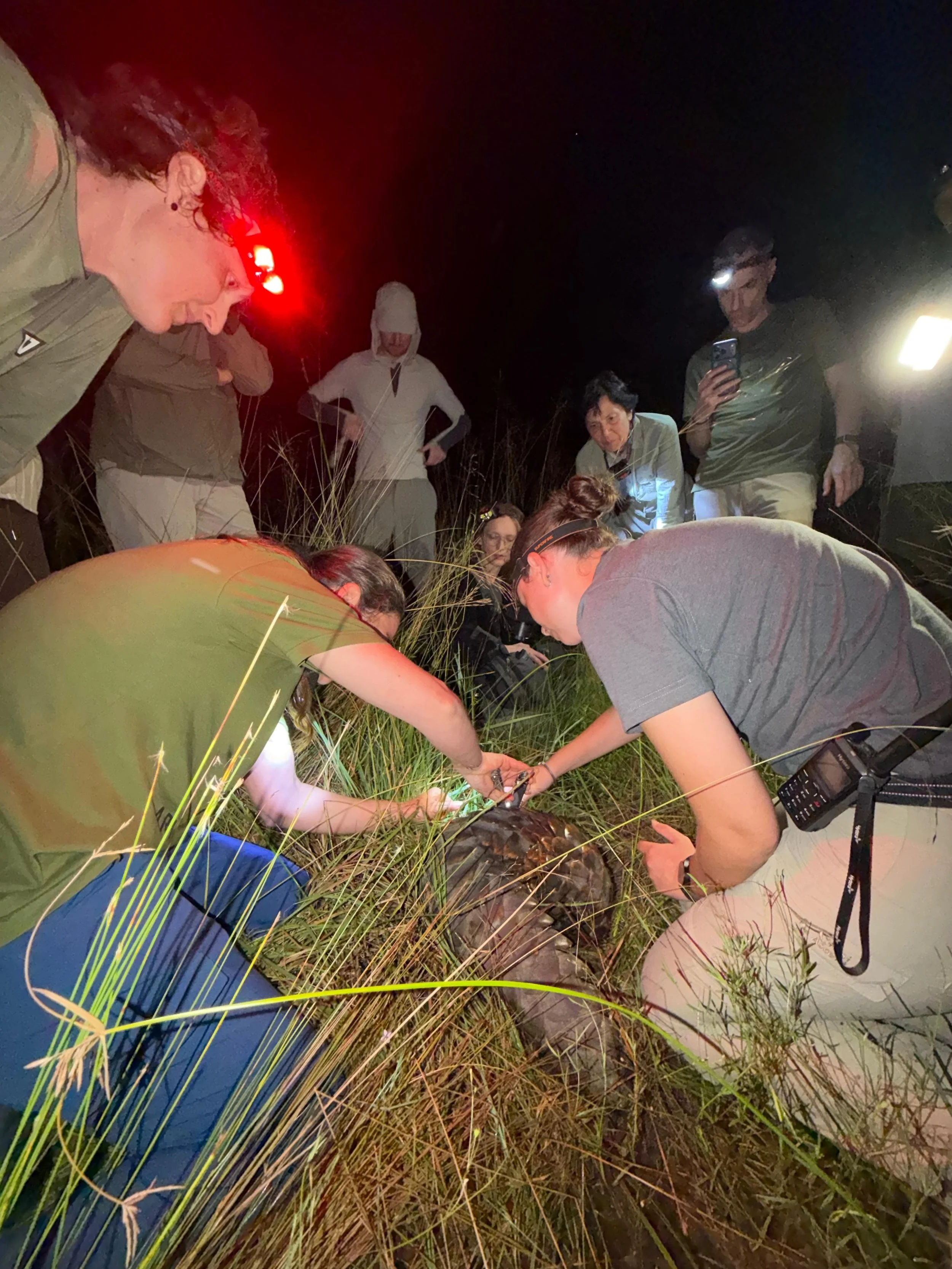
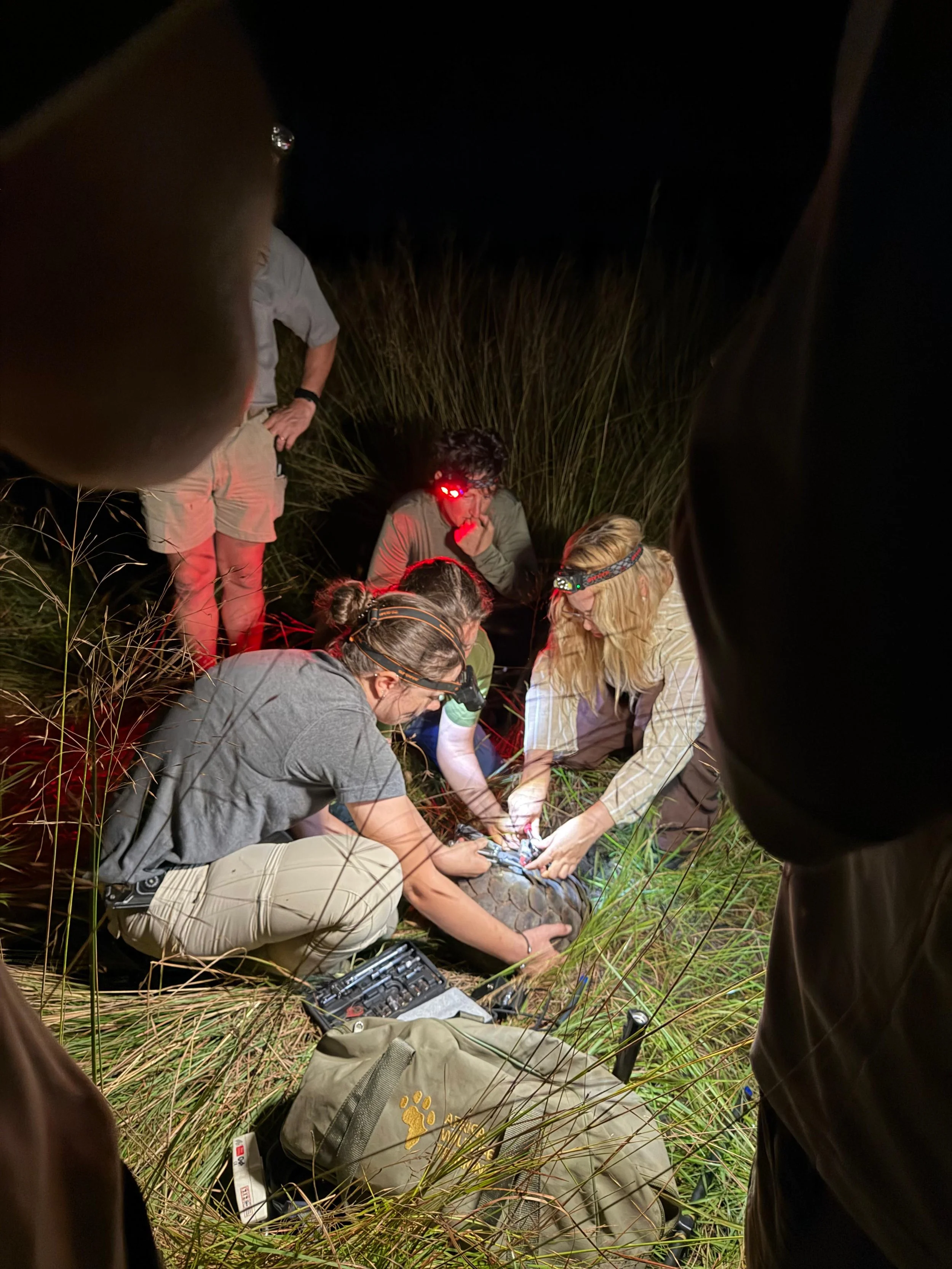
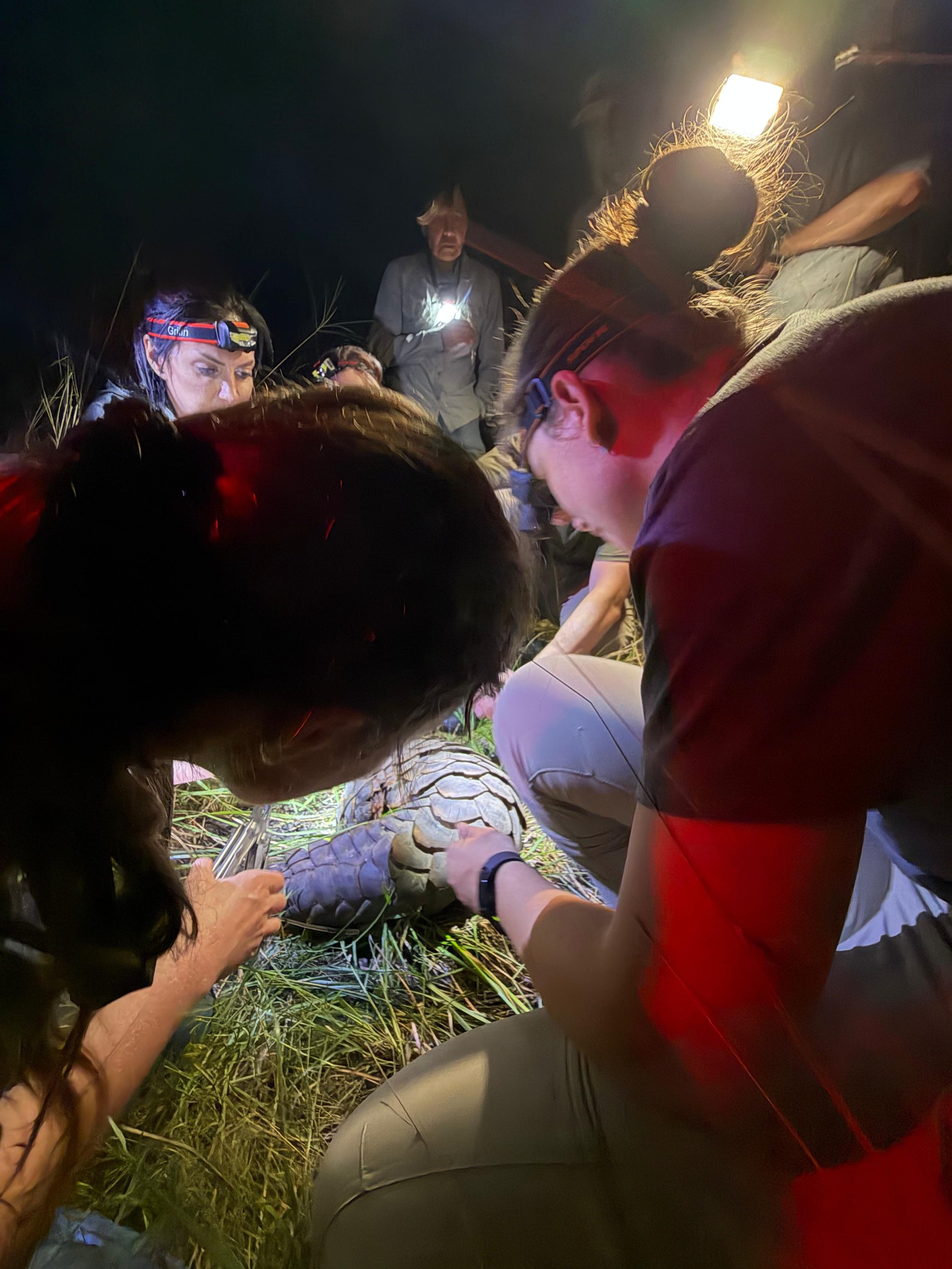
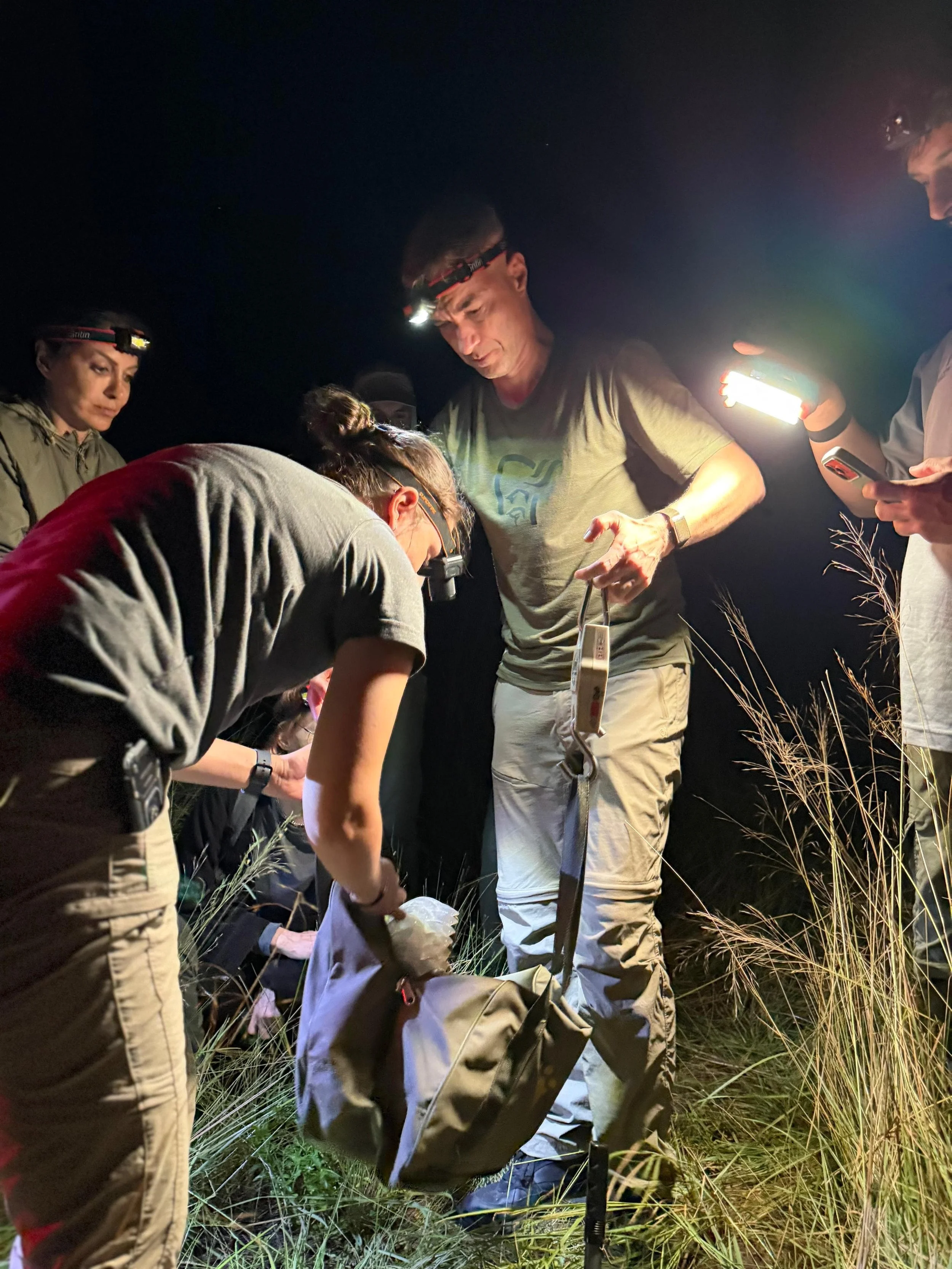
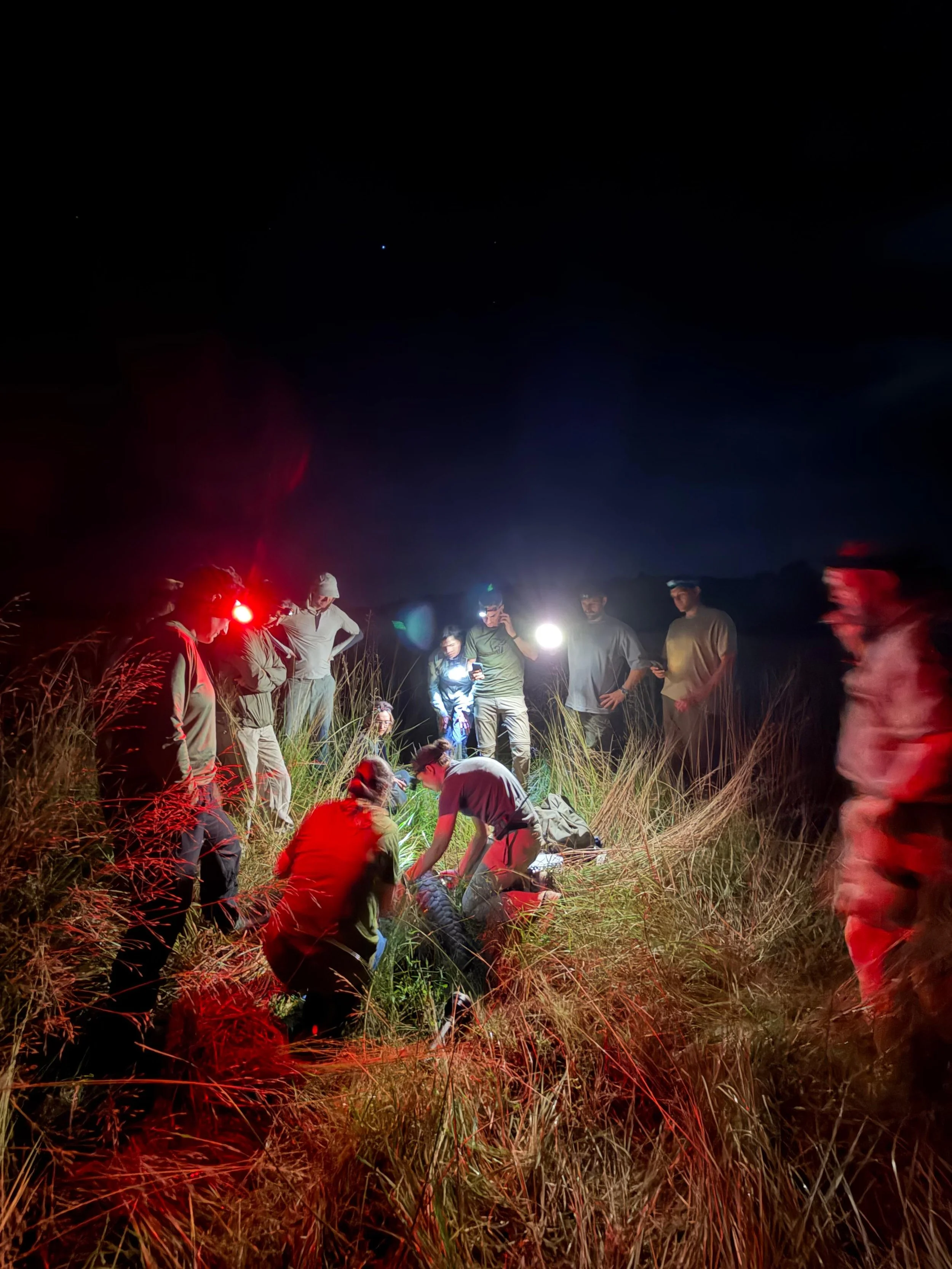
That afternoon, the group enjoyed a game drive led by Ben, whose deep knowledge of the area and its wildlife added incredible value to the experience. As the sun set, we shifted focus to one of our most vulnerable species, the pangolin. One of our rescued pangolins had lost her satellite tag, something that can happen as they move through dense vegetation. We were able to safely locate her and fit a new set of tags. Even more encouraging was her condition she had gained approximately 2.5 kg since her release, a clear sign that she is thriving back in the wild.
Pangolins are currently the most trafficked mammals in the world, primarily due to the illegal wildlife trade. Their scales are falsely believed to have medicinal properties, and their meat is considered a delicacy in some regions. This demand has placed immense pressure on wild populations. Combined with their slow reproductive rate, often producing only a single offspring per year pangolins struggle to recover once populations decline. Their shy, solitary nature also makes them particularly vulnerable, as they tend to curl into a ball when threatened, rather than flee, making them easy targets for poachers. Monitoring and protecting individuals like this female is therefore critical, not only for her survival, but for the future of the species as a whole.
Community Connection
Conservation is not only about wildlife, it’s about people too. The next day, we visited the local community, with a highlight being the time spent at the school. The clients had brought supplies to donate, and being able to hand these out in person created a meaningful connection between conservation and community support.
A Change of Plans and a New Perspective
Weather doesn’t always cooperate in the bush. That afternoon, heavy rain forced us to postpone our planned elephant collaring. Instead, the group took to the skies on a scenic helicopter flight and what a reward it was. From above, the floodplains came alive with wildlife: large herds of buffalo, elephants, hippos, and countless other species moving across the landscape. It was a powerful reminder of the scale and beauty of this ecosystem.
Elephant Collaring for Human-Wildlife Coexistence
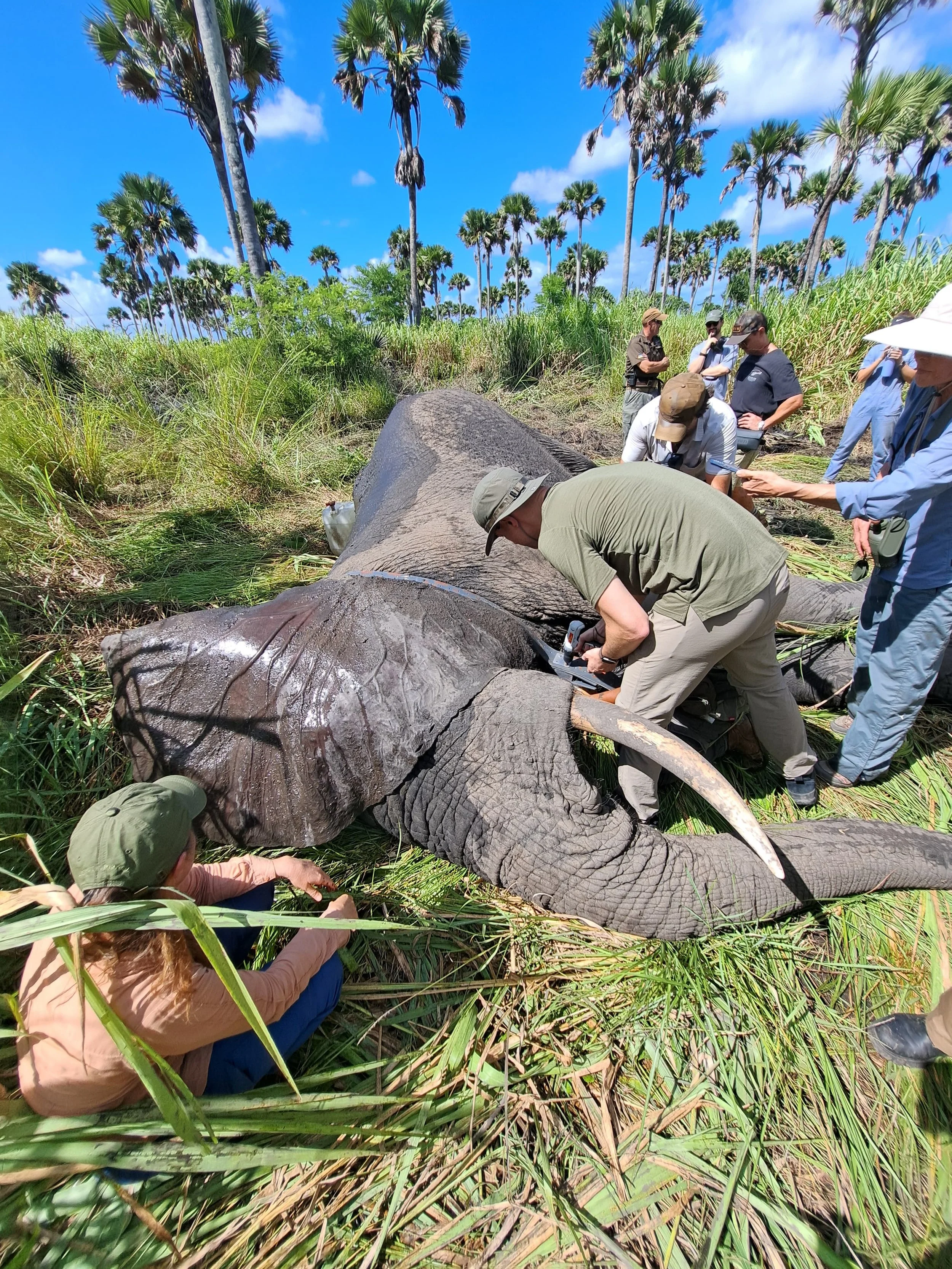
The following morning, we returned to locate the elephants. We found a bull within a group of seven, right in a community agricultural area — exactly the kind of situation where monitoring is critical. Human-wildlife conflict is one of the biggest challenges in conservation, and collaring elephants allows us to better understand and manage their movements. The darting went smoothly, and the clients were able to be fully hands-on assisting with positioning the elephant and helping fit the collar. Experiences like this are what make conservation safaris truly unique.
On the Frontline of Anti-Poaching
Later that day, the group joined Frank, our head of anti-poaching, for a field patrol. He demonstrated the different types of snares and traps that pose a constant threat to wildlife in the area. Seeing these dangers firsthand gives a deeper understanding of the daily challenges faced by conservation teams and the importance of ongoing protection efforts.
A Fitting Farewell
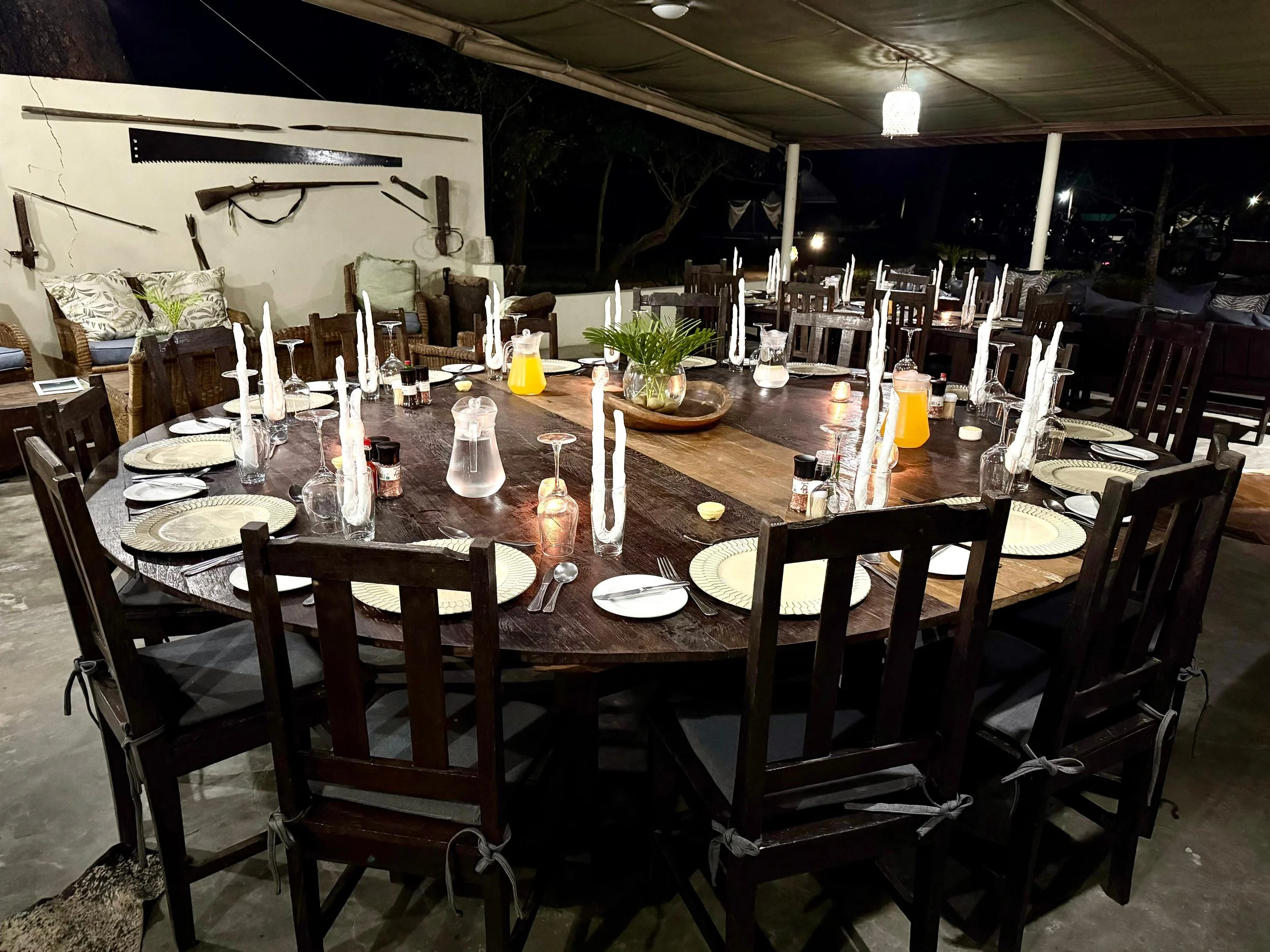
To end the safari, we hosted a bush dinner at a nearby pan. As the sun dipped below the horizon, the group gathered to enjoy snacks, reflect on the week, and take in the quiet beauty of the bush one last time.
More Than a Safari
This wasn’t just a safari - it was real, hands-on conservation.
From collaring predators and elephants to monitoring pangolins, supporting communities, and understanding anti-poaching efforts, every moment contributed to something bigger.
Because here, every action matters. And every hand truly makes a difference.